

Bengaluru Metro Breakdown Triggers Commuter Chaos, Sparks Debate Over City’s Transport Infrastructure
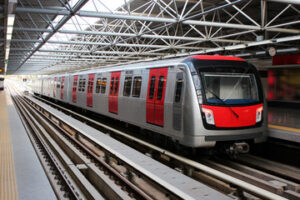
Bengaluru witnessed another major transportation disruption after a technical snag on the Namma Metro Purple Line left thousands of passengers stranded during one of the busiest commuting hours of the day. The incident not only caused widespread inconvenience but also reignited discussions about the reliability of the city’s rapidly expanding metro network and the broader challenges facing Bengaluru’s urban infrastructure.
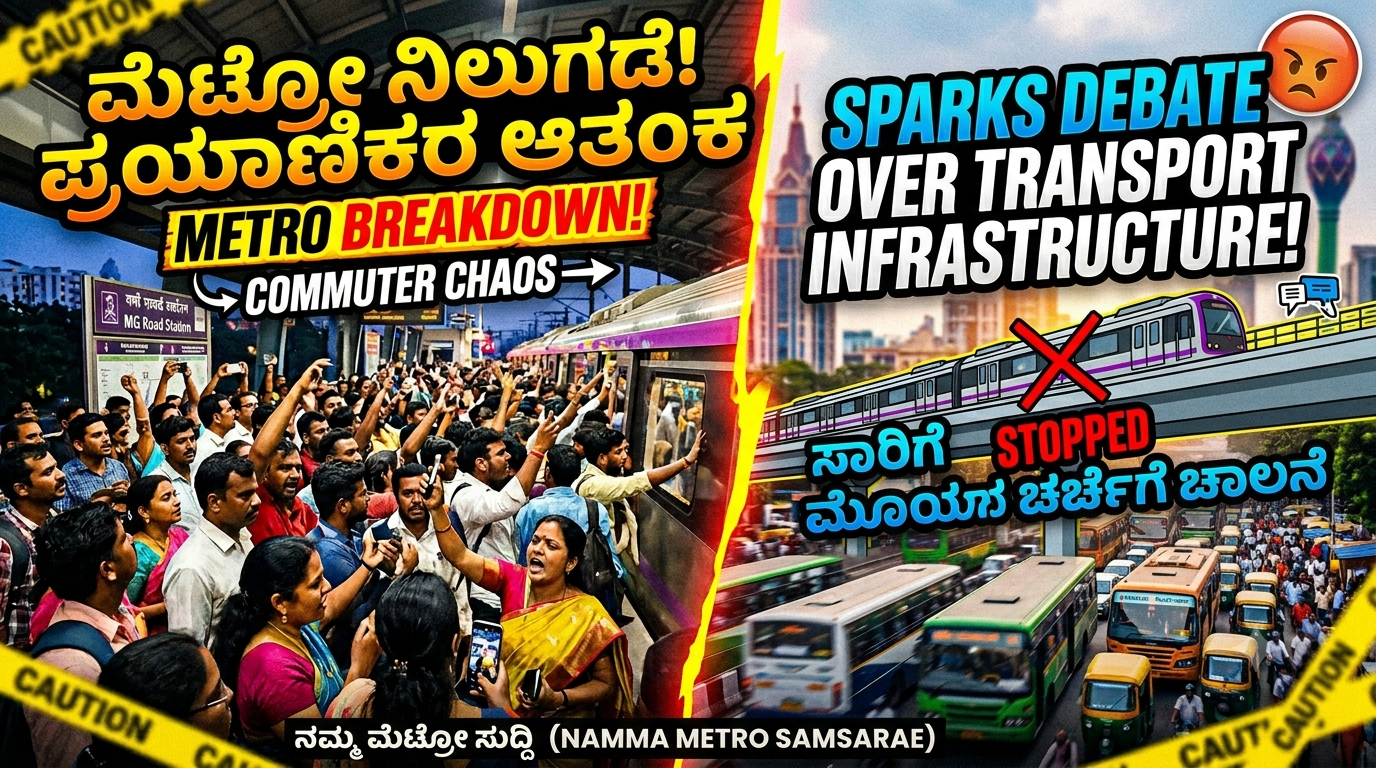
Videos circulating on social media painted a dramatic picture of the disruption. Stranded commuters were seen climbing onto trucks, lorries, and other goods vehicles in a desperate attempt to reach home after metro services came to a halt. The scenes quickly gained attention online, prompting strong reactions from citizens, public representatives, and urban transport observers.
The disruption occurred during peak evening hours when thousands of office-goers depend on the Purple Line to travel across the city. As train services were suspended between key stations, large crowds gathered at metro platforms and stations, creating confusion and frustration among passengers.
Technical Snag Causes Major Disruption
According to the Bangalore Metro Rail Corporation Limited (BMRCL), the disruption was caused by a technical issue involving a train near Cubbon Park Metro Station. The fault significantly affected operations along the Purple Line, one of the busiest and most important corridors in Bengaluru’s metro network.
The technical problem resulted in the suspension of services between Majestic and Indiranagar stations, severely impacting commuters travelling through central Bengaluru. With trains unable to operate normally, passengers were left searching for alternative modes of transport.
The Purple Line serves several important commercial, residential, and educational hubs across Bengaluru. Any disruption along this corridor typically creates ripple effects across the city’s transportation system.
Commuters Struggle to Find Alternatives
As metro services remained affected for several hours, thousands of commuters faced significant challenges in reaching their destinations.
Many passengers reported long waiting times at stations, while others attempted to book taxis and ride-sharing services, only to encounter surge pricing and extended wait periods. Bus stops also witnessed unusually large crowds as people searched for available transportation.
Some commuters resorted to hitching rides on trucks and lorries travelling in the same direction. Videos showing office workers climbing onto goods vehicles quickly went viral, highlighting the difficulties faced by residents when major transport systems experience breakdowns.
For many Bengaluru residents, the incident was a reminder of how heavily the city depends on its metro system to manage daily travel demand.
Tejasvi Surya Criticises Governance
The disruption soon became a political issue after Bengaluru South Member of Parliament Tejasvi Surya criticised the situation and questioned the city’s infrastructure management.
Sharing videos of stranded passengers on social media, Surya expressed concern over the frequency of metro disruptions and the impact they have on daily commuters.
According to the MP, Bengaluru’s growing reputation as a global technology hub contrasts sharply with the challenges residents continue to face in accessing reliable urban infrastructure. He argued that recurring breakdowns place unnecessary burdens on working professionals who already deal with traffic congestion, long travel times, and increasing transportation costs.
His comments sparked widespread discussion online, with supporters and critics debating the causes of the disruption and the broader state of Bengaluru’s public transport network.
Metro Services Resume After Repairs
Following extensive overnight repair work, BMRCL announced that normal metro operations resumed early the next morning.
In an official statement, the corporation confirmed that technical teams had successfully resolved the issue responsible for the disruption. Services on the Purple Line resumed from 5 a.m., restoring connectivity across the affected corridor.
BMRCL’s Operations and Maintenance teams reportedly worked throughout the night to identify and rectify the fault. Officials emphasized that passenger safety remained the highest priority during the restoration process.
The quick restoration of services provided relief to thousands of commuters who rely on the metro for their daily travel.
Importance of the Purple Line
The Purple Line is one of the backbone routes of Bengaluru’s metro system. It connects major residential neighbourhoods, business districts, government offices, educational institutions, and commercial centres.
Every day, lakhs of passengers use the line to avoid the city’s notorious road traffic. Because of its strategic importance, even minor service interruptions can have widespread consequences for commuters and businesses alike.
Transport experts note that metro systems in rapidly growing cities must balance expansion with maintenance and operational reliability. As ridership continues to increase, infrastructure must be continuously upgraded to meet demand.
Growing Dependence on Public Transport
Bengaluru’s population growth and expanding technology sector have significantly increased pressure on public transportation networks.
The metro system has become a crucial component of the city’s mobility strategy, helping reduce road congestion and providing faster travel options. However, incidents such as the recent Purple Line disruption highlight the challenges of maintaining uninterrupted service in a complex urban environment.
Many urban planners argue that cities must develop multiple layers of transport options, including buses, suburban rail, metro systems, and last-mile connectivity services. Overdependence on any single mode of transport can create vulnerabilities during emergencies or technical failures.
Public Reaction on Social Media
The images and videos emerging from the disruption generated strong reactions online.
Many users expressed sympathy for commuters who were forced to find unconventional ways to return home. Others shared personal experiences of being stranded, delayed, or unable to secure transportation during the disruption.
Some citizens called for greater investment in preventive maintenance and real-time passenger communication systems. Others stressed the need for better emergency transport arrangements whenever metro services are interrupted.
The incident once again demonstrated how social media can rapidly amplify public concerns and bring attention to urban infrastructure issues.
Lessons for Bengaluru’s Future
While metro systems worldwide occasionally experience technical faults, experts believe that rapid response mechanisms and effective communication play a critical role in reducing passenger inconvenience.
The Bengaluru incident highlights several areas that could benefit from improvement, including contingency planning, passenger information systems, alternative transport coordination, and infrastructure resilience.
As Bengaluru continues to grow as India’s technology capital, expectations regarding public transportation reliability will only increase. Residents increasingly view efficient transport as essential to quality of life, economic productivity, and sustainable urban development.
Looking Ahead
Although metro services have now returned to normal, the disruption has reignited conversations about the city’s long-term transportation strategy.
For commuters, the incident was another reminder of the challenges that accompany life in one of India’s fastest-growing metropolitan regions. For policymakers and transport authorities, it serves as an opportunity to evaluate existing systems and strengthen preparedness for future disruptions.
The restoration of services may have resolved the immediate problem, but the broader discussion about Bengaluru’s infrastructure, urban planning, and commuter experience is likely to continue for some time.
As the city moves forward, ensuring reliable, efficient, and resilient public transportation will remain a critical priority for both authorities and citizens alike.
FAQ
Why was Bengaluru Metro disrupted?
The disruption was caused by a technical issue involving a metro train near Cubbon Park Metro Station.
Which metro line was affected?
The Purple Line was affected, particularly the section between Majestic and Indiranagar stations.
When did services resume?
BMRCL restored normal operations from 5 a.m. the following morning after completing repairs.
Why were commuters seen on trucks and lorries?
Many passengers were unable to find alternative transportation during peak hours and resorted to hitching rides to reach home.
What did Tejasvi Surya say about the incident?
The Bengaluru South MP criticised recurring metro disruptions and raised concerns about urban governance and infrastructure reliability.
Disclaimer
This article is based on publicly available reports, official statements, and media coverage available at the time of publication. Information may change as additional details emerge. Readers are advised to refer to official BMRCL announcements for the latest updates.
Do Follow for more info @ http://roydailyupdate.in 
Do Connect WhatsApp @ https://chat.whatsapp.com/K5POJK9KbpN8egjjOCaOw6
Lucknow Fire Disaster: 14 Dead, Mostly Students, After Blaze Erupts in Animation Studio Building
Ketan Agarwal Murder Case: How Pune Police Solved the Lohagad Fort Death Mystery
Vedanta Shares Fall After ₹2,149 Crore Block Deal: Impact of Promoter Selling Explained
1 thought on “Bengaluru Metro Breakdown Sparks Chaos: Commuters Hitch Rides on Lorries as Purple Line Grinds to Halt”