

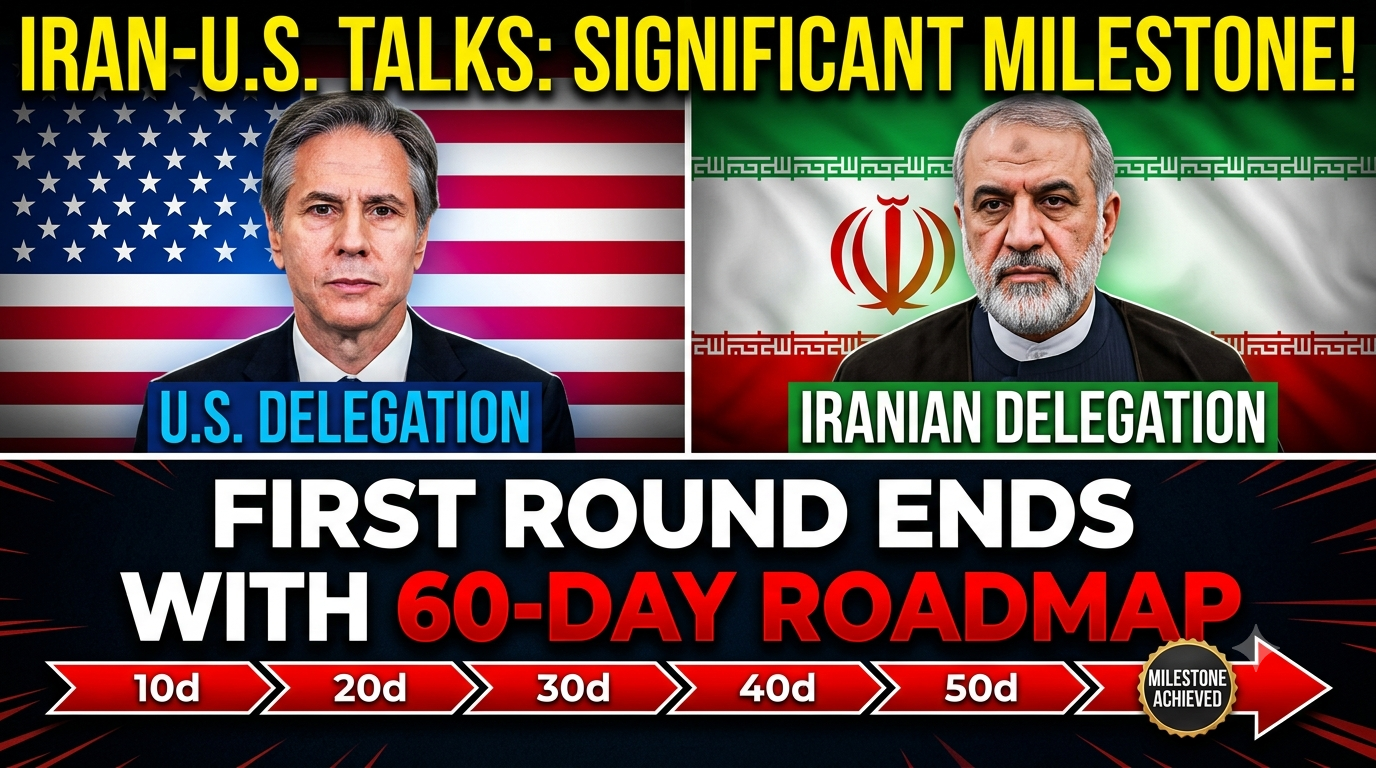
Iran-U.S. Talks Reach Significant Milestone as First Round Ends with 60-Day Roadmap
In a development that could reshape the geopolitical landscape of West Asia, Iran and the United States have concluded the first round of high-level negotiations in Switzerland with both sides agreeing on a framework aimed at reaching a final agreement within the next 60 days.
The talks, held at the prestigious Burgenstock resort overlooking Lake Lucerne, have generated global attention amid ongoing tensions across the Middle East. Mediated by Pakistan and Qatar, the discussions focused on reducing regional conflict, restoring diplomatic engagement, improving maritime security, and laying the groundwork for a broader peace framework.
While Washington has not yet issued an official statement regarding the outcome, Iranian Foreign Minister Abbas Araghchi described the talks as a major step forward and praised the efforts of the mediators in helping both sides make meaningful progress.
The first round has not resulted in a final agreement, but it has established mechanisms and commitments that many analysts believe could pave the way for a historic breakthrough.
A 60-Day Roadmap Toward a Final Agreement
One of the most important outcomes of the negotiations was the decision to establish a structured roadmap for reaching a final agreement within 60 days.
According to the joint statement issued by Pakistan and Qatar, the High-Level Committee formed by Tehran and Washington agreed on a timeline that would guide future negotiations and technical discussions.
The roadmap provides a framework for addressing complex political, security, economic, and diplomatic issues that have long complicated relations between the two countries.
Technical experts from both sides are expected to continue discussions throughout the week, examining specific areas of disagreement and identifying practical solutions that could support a comprehensive settlement.
Observers view the timeline as a sign that both parties are willing to move beyond preliminary dialogue and focus on achieving measurable outcomes.
Why These Talks Matter
Relations between Iran and the United States have remained strained for decades due to disagreements over regional security, sanctions, nuclear activities, and military engagements.
Recent conflicts in West Asia have further increased tensions, creating concerns about broader regional instability.
The latest negotiations come at a time when multiple countries are seeking diplomatic solutions to ongoing conflicts that have affected regional security, energy markets, and international trade routes.
A successful agreement could reduce the risk of military escalation, improve economic cooperation, and create opportunities for broader regional stability.
Lebanon Takes Center Stage
Another major outcome of the talks was the creation of a special mechanism focused on Lebanon.
The agreement calls for the establishment of a “de-confliction cell” involving Iran, the United States, Lebanon, and the mediating countries.
The purpose of this mechanism is to monitor developments and prevent military misunderstandings that could reignite conflict.
Lebanon has become one of the most sensitive flashpoints in the broader regional crisis. Escalating tensions involving armed groups, cross-border attacks, and military operations have raised fears of a wider conflict.
Officials hope that direct communication through the new mechanism will help reduce risks and encourage greater coordination among all parties involved.
Iranian Foreign Minister Abbas Araghchi has described the Lebanon mechanism as an important early test of the commitments made during the negotiations.
Focus on the Strait of Hormuz
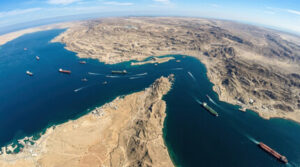
The Strait of Hormuz remains one of the world’s most strategically important maritime routes.
A significant portion of global oil exports passes through the narrow waterway, making stability in the region critical for international energy markets.
To reduce risks, negotiators agreed to establish a dedicated communication line designed to prevent misunderstandings and incidents involving commercial vessels.
The initiative aims to ensure safe navigation and uninterrupted maritime trade during the 60-day negotiation period.
The communication system is expected to facilitate rapid information sharing and help avoid accidental confrontations that could threaten regional security.
For global markets, this development may provide reassurance that efforts are being made to protect one of the world’s most important shipping corridors.
Questions Over Sanctions Relief
One of the most closely watched aspects of the negotiations concerns economic sanctions imposed on Iran.
Although the joint statement issued by the mediators did not specifically mention the release of frozen assets, Iranian officials indicated that progress had been achieved on economic matters.
According to statements made by Iranian representatives, discussions included sanctions relief, access to financial resources, and measures aimed at supporting economic recovery and development.
Economic issues remain among the most challenging topics in Iran-U.S. relations, with both sides expected to continue negotiations in the coming weeks.
Analysts believe that any lasting agreement will likely require detailed arrangements regarding sanctions, financial access, and international economic cooperation.
Pakistan and Qatar Strengthen Diplomatic Profiles
The negotiations have also highlighted the growing diplomatic influence of Pakistan and Qatar.
Both countries played key roles in facilitating communication between Tehran and Washington and helping maintain a constructive atmosphere throughout the discussions.
The successful completion of the first round has earned praise from multiple observers who view mediation as an essential component of conflict resolution.
Pakistan and Qatar have increasingly positioned themselves as diplomatic bridges capable of engaging with diverse regional and international stakeholders.
Their involvement demonstrates the importance of neutral facilitators in addressing complex geopolitical challenges.
International Reactions and Expectations
Governments around the world are closely monitoring developments arising from the negotiations.
Many countries have expressed support for diplomatic engagement and hope that continued dialogue will contribute to peace and stability in West Asia.
Financial markets, energy companies, and international organizations are also watching the process closely because any agreement could have significant implications for oil supplies, trade routes, and regional security.
Experts caution that substantial challenges remain despite the positive tone emerging from the first round.
Complex issues involving security guarantees, economic arrangements, and regional influence will require careful negotiation before a final agreement can be reached.
What Happens Next?
The immediate focus now shifts to technical discussions scheduled to continue throughout the week.
Specialized teams from both sides will examine detailed proposals and work toward resolving outstanding issues.
If progress continues, negotiators are expected to hold additional rounds of meetings over the coming weeks as part of the agreed 60-day framework.
Success is not guaranteed, but the establishment of a roadmap, communication mechanisms, and ongoing dialogue suggests that both sides are committed to exploring diplomatic solutions.
A Potential Turning Point for West Asia
The first round of Iran-U.S. talks may ultimately be remembered as the beginning of a broader diplomatic effort to reduce tensions in one of the world’s most volatile regions.
While many obstacles remain, the agreements reached in Switzerland indicate a willingness to pursue negotiation over confrontation.
For countries across West Asia, as well as the wider international community, the coming weeks could prove decisive in determining whether these discussions evolve into a lasting agreement capable of reshaping regional dynamics.
The next 60 days will likely attract intense global attention as diplomats attempt to transform preliminary understandings into a comprehensive and sustainable peace framework.
FAQ
Where were the Iran-U.S. talks held?
The first round of negotiations took place at the Burgenstock resort in Switzerland.
What was the main outcome of the talks?
Both sides agreed on a roadmap aimed at reaching a final agreement within 60 days.
What is the Lebanon de-confliction cell?
It is a communication and coordination mechanism designed to reduce the risk of military escalation in Lebanon.
Why is the Strait of Hormuz important?
The Strait of Hormuz is a critical global shipping route through which a large portion of the world’s oil supply passes.
What role did Pakistan and Qatar play?
Pakistan and Qatar acted as mediators and helped facilitate discussions between Iran and the United States.
Disclaimer
This article is based on publicly available reports, official statements, and media coverage available at the time of publication. Developments related to international negotiations may change rapidly, and readers should refer to official government announcements for the latest updates.
Do Follow For More Info @ http://roydailyupdate.in 
Do Connect WhatsApp @ https://chat.whatsapp.com/K5POJK9KbpN8egjjOCaOw6
Ketan Agarwal Murder Case: How Pune Police Solved the Lohagad Fort Death Mystery
Lucknow Fire Disaster: 14 Dead, Mostly Students, After Blaze Erupts in Animation Studio Building
Bengaluru PG Owner Murdered After Water Dispute; Two College Students Arrested
1 thought on “Iran-U.S. Talks See Major Breakthrough: 60-Day Roadmap, Lebanon Security Mechanism and Hormuz Agreement Announced”