

West Asia War 2026:

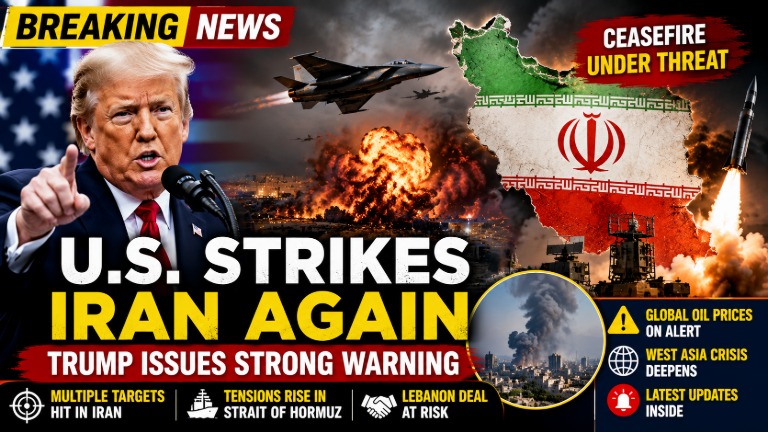
Just days after hopes emerged that diplomacy could reduce tensions in West Asia, the conflict has once again entered a dangerous phase. The United States carried out fresh military strikes on multiple locations inside Iran on June 28, 2026, claiming the operation was a direct response to repeated attacks on commercial shipping and alleged violations of the recently announced ceasefire framework.
The latest military action has once again raised fears that the region could slide back into a wider conflict involving the United States, Iran, Israel, Hezbollah and several Gulf nations. Global investors are also watching developments closely, as any disruption in the Strait of Hormuz could have a direct impact on crude oil prices, shipping costs and inflation across the world.
According to the U.S. Central Command (CENTCOM), the latest strikes targeted Iranian military surveillance systems, missile storage facilities and coastal radar installations. American officials said the attacks were launched after Iran allegedly failed to honour the ceasefire understanding and continued hostile actions against commercial vessels operating in the Persian Gulf.
Former U.S. President Donald Trump, who has been leading America’s response to the crisis, issued one of his strongest warnings yet. In a statement posted on Truth Social, Trump said the United States had acted only after giving Iran an opportunity to respect the ceasefire agreement. He warned that if Iranian aggression continued, Washington could be “forced to militarily complete the job,” signalling that even larger operations remain an option.
Why Did the United States Launch New Airstrikes?
The immediate trigger appears to have been a series of attacks targeting international shipping routes.
American officials accused Iranian-backed forces of carrying out drone attacks on commercial vessels passing through the Strait of Hormuz, one of the world’s most important energy corridors. CENTCOM claimed that after an earlier attack on a commercial cargo ship, another vessel—identified as the tanker Kiku—was hit by a one-way attack drone despite ongoing diplomatic efforts.
Washington argued that these attacks violated the spirit of the recently negotiated ceasefire and endangered global trade. As a result, U.S. forces launched precision strikes against multiple Iranian military assets that they believe were linked to the attacks.
Iran, however, strongly rejected the American allegations. Tehran accused Washington of violating the peace agreement first by launching strikes on Iranian territory. Iranian officials described the U.S. operation as an illegal act of aggression and insisted that any retaliatory action was carried out in self-defence.
This exchange of accusations has created significant uncertainty about the future of the fragile peace process that began only days ago.
Strait of Hormuz Returns to the Global Spotlight
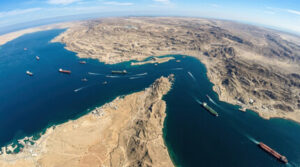
One of the biggest concerns arising from the renewed conflict is the security of the Strait of Hormuz.
Nearly one-fifth of the world’s traded crude oil passes through this narrow waterway every day. Any disruption immediately affects global energy markets, shipping insurance costs and fuel prices.
Following reports of attacks on commercial vessels, maritime security agencies increased their threat assessments for ships travelling through the region. Shipping companies are now reviewing operational routes while governments continue to monitor developments closely.
For countries like India, Japan, South Korea and several European nations that rely heavily on imported crude oil, continued instability around the Strait of Hormuz remains a major economic concern. Analysts believe prolonged disruptions could increase transportation costs and create fresh inflationary pressures worldwide.
Lebanon Remains a Major Flashpoint
While tensions between the United States and Iran continue to dominate global headlines, the situation in Lebanon remains equally fragile. A U.S.-brokered framework agreement signed by Israel and Lebanon was intended to reduce hostilities and gradually restore stability along the border.
However, violence has continued despite the agreement. Israeli airstrikes reportedly targeted locations in southern Lebanon, while Hezbollah rejected the agreement, calling it unacceptable and insisting it would continue resisting Israeli military operations.
Israeli Prime Minister Benjamin Netanyahu has also stated that Israeli forces will remain inside a designated security zone in southern Lebanon until Hezbollah is fully disarmed. This position has further complicated implementation of the agreement.
Lebanese President Joseph Aoun has urged the United States to ensure Israel fulfils its commitments under the framework agreement, particularly regarding troop withdrawals from southern Lebanon.
Growing Economic Concerns
Apart from military tensions, the conflict is also affecting the regional economy.
Iran’s inflation has reportedly climbed sharply, with food prices rising dramatically because of prolonged conflict and sanctions. Economic analysts warn that continued instability may further weaken regional markets.
Global financial markets are also monitoring crude oil prices closely. Since the Strait of Hormuz carries nearly 20% of global oil shipments, any prolonged disruption could push fuel prices significantly higher.
Countries including India are watching developments carefully because rising crude prices can directly affect petrol, diesel, LPG, inflation, transport costs and household expenses.
International Community Calls for Restraint
Several countries have urged both Washington and Tehran to exercise restraint and return to negotiations. Diplomatic efforts involving Switzerland, Qatar and regional mediators are expected to continue despite the latest escalation.
International observers believe that although both sides continue military operations, diplomatic channels remain open. Whether negotiations succeed will largely determine if the region moves toward peace or another prolonged conflict.
What Happens Next?
The coming days will be crucial.
If both countries continue retaliatory strikes, the conflict could expand further across West Asia, affecting global energy markets and regional security.
However, if diplomatic talks resume successfully, there remains a possibility of restoring the ceasefire framework and reducing tensions.
For now, governments, financial markets and millions of people worldwide continue watching every development closely.
Frequently Asked Questions (FAQs)
1. Why did the U.S. launch fresh strikes on Iran?
The United States said the strikes were carried out after alleged Iranian attacks on commercial shipping and violations of the ceasefire understanding.
2. What is the Strait of Hormuz?
It is one of the world’s most important oil shipping routes through which around one-fifth of global crude oil passes.
3. Why is Lebanon involved in the conflict?
Lebanon remains affected because of ongoing tensions between Israel and Hezbollah despite a recent U.S.-brokered framework agreement.
4. Could this affect India?
Yes. Any disruption in West Asia can influence crude oil prices, fuel costs, inflation and overall economic conditions in India.
5. Has the ceasefire completely collapsed?
Not officially. However, repeated military actions by both sides have placed the ceasefire under severe strain.
Disclaimer
This article is published for informational and educational purposes based on publicly available reports from international news agencies and official statements available at the time of writing. Since the situation is rapidly evolving, readers are advised to follow official government announcements and trusted international news sources for the latest developments. RoyDailyUpdate.in does not independently verify battlefield claims made by any party involved in the conflict.
Do follow for more info @ http://roydailyupdate.in
Do Connect WhatsApp @ https://chat.whatsapp.com/K5POJK9KbpN8egjjOCaOw6