

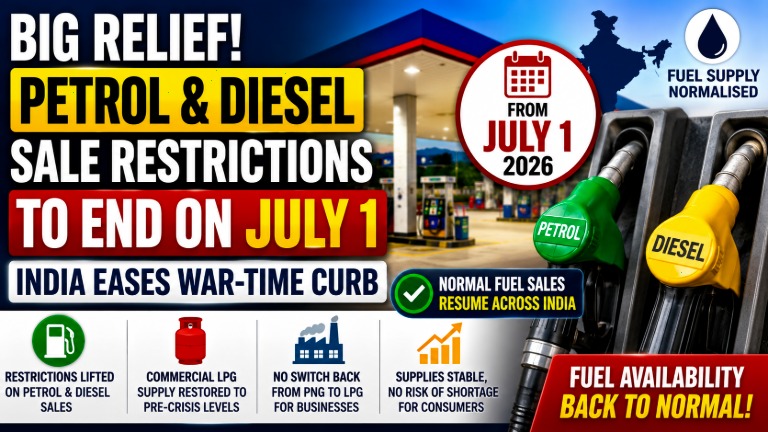
Petrol, Diesel Sale Restrictions to End from July 1: What It Means for India
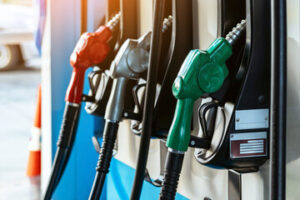
The Central Government has announced that all temporary restrictions on petrol and diesel sales imposed during the recent Middle East crisis will officially end from July 1, 2026. The decision comes after global crude oil supply conditions improved and concerns over fuel shortages eased following stabilization in the Gulf region.
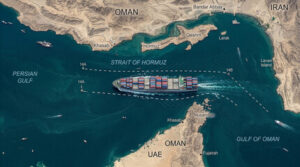
The restrictions were introduced as a precautionary measure during the conflict involving the United States, Israel, and Iran, which raised fears about disruptions in international crude oil transportation through the strategically important Strait of Hormuz.
With fuel supplies returning to normal and commercial LPG distribution also restored, the government has decided that emergency restrictions are no longer required.
The move is expected to benefit transport companies, industries, hotels, restaurants, logistics operators, and millions of consumers across India.
Why Were Petrol and Diesel Restrictions Imposed?
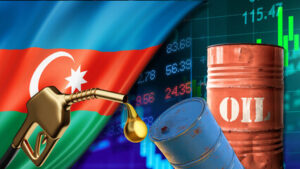
Earlier this month, geopolitical tensions in the Middle East intensified after military actions involving the United States, Israel, and Iran created uncertainty in global energy markets.
One of the biggest concerns was the possibility of disruptions in the Strait of Hormuz, one of the world’s busiest oil shipping routes.
Nearly 20% of the world’s crude oil passes through this narrow waterway every day. Any disruption could significantly affect oil prices and fuel availability worldwide.
To prevent panic buying and ensure uninterrupted fuel availability for ordinary citizens, the Indian government introduced temporary restrictions on fuel sales.
These included:
- Limiting diesel purchases.
- Restricting bulk commercial purchases.
- Prioritizing supplies for retail consumers.
- Monitoring fuel inventories across states.
The objective was to prevent shortages if global supply chains were affected.
Why Are Restrictions Being Removed?
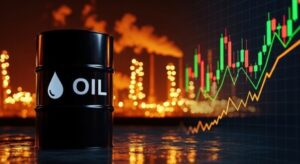
According to government officials, global energy markets have stabilized significantly over the past week.
Several developments contributed to the decision:
- International crude oil prices declined.
- Shipping movement through the Gulf resumed.
- Oil inventories improved.
- Indian refineries continued uninterrupted production.
- Fuel stocks remained comfortable across the country.
As a result, authorities concluded that emergency restrictions were no longer necessary.
Beginning July 1, commercial buyers can once again purchase petrol and diesel without the temporary limits.
Commercial LPG Supply Also Returns to Normal
Along with lifting fuel restrictions, the government has restored commercial LPG cylinder supplies to pre-crisis levels.
Earlier restrictions had affected:
- Hotels
- Restaurants
- Bakeries
- Food processing industries
- Commercial kitchens
- Manufacturing units
Many businesses were forced to temporarily shift to diesel generators, coal, or alternative fuels due to reduced LPG availability.
Now, oil marketing companies have been instructed to resume normal commercial LPG distribution.
PNG Policy Continues
Although LPG restrictions have been relaxed, the government clarified that businesses which have already shifted to Piped Natural Gas (PNG) will not be permitted to revert to commercial LPG.
This policy supports India’s long-term clean energy transition.
The government continues encouraging industries to adopt PNG because it offers:
- Cleaner fuel
- Continuous supply
- Lower emissions
- Better efficiency
- Reduced dependence on imported LPG
Impact on Consumers
For ordinary consumers, the latest decision is largely positive.
There will be:
- No restrictions on fuel purchases.
- Improved availability at petrol pumps.
- Better supplies for transport operators.
- Reduced risk of panic buying.
- Stable fuel distribution across India.
Since emergency limits are ending, long queues and supply concerns are also expected to disappear.
Impact on Businesses
Businesses are among the biggest beneficiaries of the government’s latest decision.
Industries relying heavily on fuel can now resume normal procurement.
Beneficiaries include:
- Logistics companies
- Goods transport operators
- Agriculture sector
- Construction companies
- Hotels
- Restaurants
- Manufacturing units
- Commercial kitchens
The restoration of fuel supplies is expected to reduce operational uncertainty.
Will Petrol and Diesel Prices Reduce?
Ending sale restrictions does not automatically mean fuel prices will decrease.
Retail fuel prices depend on several factors:
- Global crude oil prices
- Exchange rate
- Freight costs
- Government taxes
- Refinery margins
- International geopolitical developments
If international crude prices remain stable, Indian consumers could eventually benefit from stable or lower fuel prices.
Global Oil Market Situation
Energy markets have remained highly volatile throughout 2026 due to several international events.
Major developments include:
- US-Iran tensions
- Israel-Iran conflict
- Strait of Hormuz shipping concerns
- OPEC+ production decisions
- Rising summer fuel demand
- Global inflation pressures
Fortunately, fears of a prolonged supply disruption have reduced considerably in recent days.
This improvement allowed India to withdraw emergency fuel management measures.
India’s Energy Security Strategy
India imports nearly 85% of its crude oil requirements, making it highly vulnerable to international disruptions.
To strengthen energy security, the government has been focusing on:
- Strategic petroleum reserves
- Diversifying crude import sources
- Expanding renewable energy
- Promoting ethanol blending
- Increasing natural gas usage
- Encouraging electric mobility
- Building LNG infrastructure
These initiatives aim to reduce dependence on imported fossil fuels over the long term.
What Consumers Should Do
Consumers are advised to:
- Purchase fuel as required.
- Avoid panic buying.
- Follow official fuel price updates.
- Use fuel efficiently.
- Stay informed through reliable government announcements.
There is currently no indication of fuel shortages across the country.
Key Highlights
- Petrol and diesel sale restrictions end from July 1, 2026.
- Emergency fuel curbs were introduced due to Middle East tensions.
- Commercial buyers can resume normal fuel purchases.
- Commercial LPG supply has returned to pre-crisis levels.
- PNG users will continue using piped gas.
- Fuel availability expected to normalize nationwide.
- Government says domestic supplies remain comfortable.
Frequently Asked Questions (FAQs)
Why were petrol and diesel restrictions imposed?
The government introduced temporary restrictions to safeguard domestic fuel supplies amid fears of disruptions caused by the Middle East conflict and uncertainty surrounding the Strait of Hormuz.
When will the restrictions end?
All temporary petrol and diesel sale restrictions will be lifted from July 1, 2026.
Will petrol prices become cheaper?
Not necessarily. Fuel prices depend on international crude oil prices, exchange rates, taxes, and other market factors.
Has commercial LPG supply resumed?
Yes. The government has restored commercial LPG supplies to normal levels.
Can businesses switch back from PNG to LPG?
No. Businesses already connected to Piped Natural Gas (PNG) will continue using PNG under the current policy.
Disclaimer
This article is intended for informational purposes only and is based on official government announcements and publicly available reports at the time of publication. Fuel availability, pricing, and government policies may change depending on market conditions and future notifications. Readers should verify the latest updates through official government sources and oil marketing companies before making business or financial decisions.
Do Follow For More Info @http://roydailyupdate.in
Do Connect WhatsApp @https://chat.whatsapp.com/K5POJK9KbpN8egjjOCaOw6