

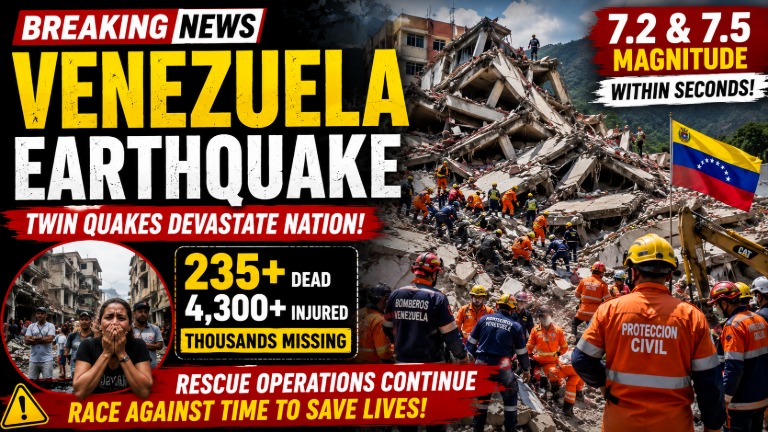
Venezuela Earthquake 2026:
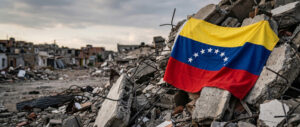
Venezuela is facing one of the deadliest natural disasters in its modern history after two powerful earthquakes struck the northern part of the country within seconds of each other, leaving widespread destruction across several cities. Rescue workers are continuing round-the-clock operations to locate survivors trapped beneath collapsed buildings, while authorities warn that the death toll could continue to rise in the coming days.
According to the latest official figures released by Venezuelan authorities, at least 235 people have lost their lives, while more than 4,300 people have been injured. Thousands of residents remain displaced, and emergency teams fear that many people are still trapped under the rubble of collapsed residential buildings, hotels, commercial complexes, and public infrastructure.
The twin earthquakes have devastated communities around Caracas, La Guaira, and several neighboring states, making this one of the country’s worst natural disasters in decades.
Twin Earthquakes Strike Within Seconds
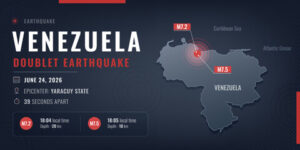
The disaster unfolded on Wednesday evening when a 7.2 magnitude earthquake struck northern Venezuela at approximately 6:04 PM local time. Just seconds later, residents experienced an even stronger 7.5 magnitude earthquake, creating panic across the region.
According to the United States Geological Survey (USGS), both earthquakes occurred at relatively shallow depths beneath the Earth’s surface. The first quake originated approximately 20 kilometers underground, while the second occurred at a depth of just 10 kilometers.
Because shallow earthquakes release energy much closer to the surface, they often cause significantly greater destruction compared to deeper seismic events.
Residents described the terrifying moments as buildings shook violently, roads cracked, electricity failed, and clouds of dust filled the air.
Caracas and La Guaira Among Worst-Hit Areas
The capital city of Caracas experienced severe structural damage across several neighborhoods. Apartment buildings, office complexes, hospitals, schools, and shopping centers suffered extensive damage.
Nearby La Guaira, located along Venezuela’s northern coastline, appears to be one of the hardest-hit locations.
Officials confirmed that nearly 250 buildings have either collapsed or suffered major structural damage. Among the most devastating incidents was the collapse of a multi-story hotel that was reduced to rubble, trapping guests and employees inside.
Emergency responders have been working continuously with heavy machinery, rescue dogs, thermal cameras, and specialized search equipment to locate survivors beneath the debris.
Hospitals Overwhelmed
Health facilities across northern Venezuela have been operating under emergency conditions since the earthquakes struck.
Health Minister Carlos Alvarado confirmed that hospitals had received thousands of injured victims suffering from fractures, head injuries, crush injuries, burns, and trauma-related conditions.
Medical teams have established temporary treatment centers as emergency rooms continue to receive critically injured patients.
Many hospitals are also facing shortages of electricity, medical supplies, and blood donations due to the overwhelming number of casualties.
Doctors and nurses have been working around the clock despite difficult conditions.
Thousands Still Missing
Although authorities have confirmed 235 deaths, officials believe the final toll may be significantly higher.
Family members continue gathering outside collapsed buildings, desperately waiting for news about missing loved ones.
Rescue workers say many people remain trapped beneath collapsed apartment complexes and commercial buildings.
Volunteers from across Venezuela have joined emergency services to distribute food, drinking water, blankets, and medical assistance to displaced residents.
Several families have spent the night sleeping outdoors due to fears of additional aftershocks causing already weakened buildings to collapse.
More Than 30 Aftershocks Recorded
The danger has not ended.
Authorities confirmed that more than 30 aftershocks have been recorded since the twin earthquakes struck.
These repeated tremors have complicated rescue operations and increased the risk for emergency workers entering unstable buildings.
Engineers are currently inspecting damaged structures to determine whether they can be safely entered during rescue efforts.
Many public buildings remain closed until safety inspections are completed.
International Aid Begins Arriving
As the scale of the disaster became clear, several countries quickly announced humanitarian assistance for Venezuela.
The United States pledged $150 million in emergency aid and announced the deployment of military transport aircraft and ships carrying rescue teams, emergency medical supplies, engineering equipment, and humanitarian assistance.
Support has also been offered by Mexico, El Salvador, the Dominican Republic, and Qatar, with international rescue specialists joining Venezuelan authorities in search-and-rescue operations.
The assistance includes emergency shelters, portable hospitals, water purification systems, food supplies, satellite communications equipment, and disaster recovery specialists.
Infrastructure Suffers Heavy Damage
The earthquakes severely impacted transportation and communication networks across northern Venezuela.
The country’s main international airport near Caracas was temporarily closed after structural damage was discovered inside the terminal building.
Several highways have developed large cracks, bridges have suffered damage, and power outages continue to affect thousands of homes.
Telecommunication services have also been disrupted, making it difficult for many families to contact relatives.
Authorities are working to restore electricity, internet services, and emergency communication systems as quickly as possible.
Venezuela Earthquake 2026: Death Toll Climbs to 235 as Rescue Teams Continue Massive Search Operation
Why Were These Earthquakes So Destructive?
Experts from the United States Geological Survey (USGS) have explained that the devastating impact of the Venezuela earthquakes was primarily due to their shallow depth. While the first earthquake measured 7.2 on the Richter Scale, the second and more powerful tremor registered 7.5 magnitude, making it one of the strongest earthquakes to strike Venezuela in more than a century.
Unlike deep-focus earthquakes that lose much of their energy before reaching the surface, shallow earthquakes release enormous energy directly beneath populated areas. This results in stronger ground shaking, severe structural damage, and a much higher risk of casualties.
The epicenters were located near densely populated regions close to Caracas and La Guaira, where thousands of residential buildings, commercial establishments, schools, hospitals, and hotels were directly exposed to violent shaking.
Geologists also noted that Venezuela lies along the boundary where the Caribbean Plate and the South American Plate interact. Continuous tectonic movement between these plates makes northern Venezuela one of South America’s active seismic zones.
Rescue Teams Continue Race Against Time
Emergency rescue teams have entered what experts call the “Golden 72 Hours,” the crucial period after a major earthquake during which trapped victims have the highest chance of survival.
Hundreds of firefighters, police officers, military personnel, medical professionals, and international disaster response teams are working around the clock.
Specialized equipment including:
- Thermal imaging cameras
- Search-and-rescue dogs
- Heavy cranes
- Concrete cutting machines
- Drone surveillance
- Life-detection sensors
are being used to locate survivors trapped beneath collapsed buildings.
Authorities have urged residents to immediately report any sounds or signs of movement from damaged structures so rescue workers can respond quickly.
Thousands Left Homeless
Beyond the tragic loss of life, the earthquakes have created a humanitarian crisis.
Thousands of families have lost their homes after apartment buildings collapsed or were declared unsafe.
Temporary shelters have been established in schools, sports complexes, churches, and community centers across northern Venezuela.
Emergency relief camps are providing:
- Clean drinking water
- Food packets
- Blankets
- Temporary accommodation
- Medical treatment
- Psychological counselling
Many residents are choosing to sleep outdoors despite the lack of proper facilities because they fear additional aftershocks.
Economic Impact Could Reach Billions
Economic analysts believe the disaster could become one of Venezuela’s costliest natural catastrophes.
The destruction has affected:
- Airports
- Roads
- Bridges
- Government buildings
- Hotels
- Residential complexes
- Business centers
- Tourism infrastructure
Insurance experts estimate that reconstruction may require several billions of dollars, although official assessments are still underway.
The closure of Maiquetía International Airport has also disrupted domestic and international travel, affecting tourism and commercial activities.
Several factories and businesses have temporarily suspended operations due to structural damage and electricity failures.
Government Declares State of Emergency
Following the twin earthquakes, Venezuelan authorities declared a nationwide emergency in the affected regions.
Emergency response measures include:
- Deployment of military engineering units
- Emergency medical camps
- Food distribution centers
- Temporary shelters
- Continuous search-and-rescue missions
- Infrastructure damage assessment
Authorities have appealed for calm while urging citizens to avoid damaged buildings until engineers complete safety inspections.
Officials also warned residents to remain alert due to continuing aftershocks.
International Community Extends Support
Several countries and humanitarian organizations have pledged assistance to Venezuela following the disaster.
The United States announced emergency humanitarian assistance worth approximately $150 million, including rescue personnel, medical equipment, transport aircraft, and disaster relief supplies.
Additional support has been pledged by:
- Mexico
- Dominican Republic
- El Salvador
- Qatar
- International humanitarian agencies
Relief materials, emergency medicine, portable water purification units, food supplies, and temporary shelters are being mobilized to assist affected communities.
Eyewitnesses Describe Scenes of Panic
Residents across Caracas described terrifying moments as buildings shook violently within seconds.
Many people rushed into streets barefoot while carrying children and elderly family members.
Several eyewitnesses reported hearing loud cracking sounds before buildings partially collapsed.
In La Guaira, survivors described clouds of dust filling entire neighborhoods as residential buildings and hotels crumbled.
Families continue searching hospitals, shelters, and rescue sites hoping to locate missing relatives.
One resident said,
“We thought the building would collapse completely. Everyone was screaming, and we simply ran outside.”
Another survivor described spending the entire night in the open because repeated aftershocks prevented people from returning home.
Is the Death Toll Expected to Rise?
Unfortunately, officials believe the confirmed death toll of 235 may increase significantly.
Several residential buildings remain completely collapsed, and rescue teams continue searching through debris.
Thousands of people are still reported missing, while communication problems and damaged infrastructure have delayed rescue operations in several regions.
Authorities have asked families to report missing persons to emergency control centers so rescue priorities can be updated accordingly.
What Happens Next?
Over the coming weeks, Venezuelan authorities will focus on:
- Continuing rescue operations
- Restoring electricity and communications
- Reopening airports and highways
- Providing shelter to displaced families
- Assessing structural damage
- Beginning large-scale reconstruction
Experts also expect engineers to inspect thousands of buildings before residents are allowed to return safely.
Conclusion
The twin earthquakes that struck Venezuela have become one of the country’s most devastating natural disasters in recent history. With at least 235 confirmed deaths, more than 4,300 injured, and thousands feared trapped or displaced, rescue workers continue an urgent race against time to save lives.
The coming days will be crucial as emergency teams search through the rubble, international aid reaches affected areas, and authorities begin the long process of rebuilding damaged communities.
Although Venezuela has experienced powerful earthquakes in the past, the scale of destruction witnessed in this disaster serves as a reminder of the immense challenges posed by natural disasters and the importance of disaster preparedness, resilient infrastructure, and coordinated emergency response.
Frequently Asked Questions (FAQs)
1. How strong were the Venezuela earthquakes?
The earthquakes measured 7.2 and 7.5 magnitude and struck within seconds of each other.
2. How many people have died?
According to the latest official reports, at least 235 people have died, while over 4,300 people have been injured.
3. Which areas were most affected?
The worst-hit areas include Caracas, La Guaira, and several northern Venezuelan states.
4. Why was the destruction so severe?
Both earthquakes occurred at shallow depths, causing extremely powerful ground shaking close to densely populated regions.
5. Is international assistance arriving?
Yes. Multiple countries, including the United States, Mexico, Qatar, El Salvador, and the Dominican Republic, have pledged humanitarian assistance and rescue support.
Disclaimer
This article is based on information released by government authorities, emergency agencies, USGS, and international media reports available at the time of publication. Rescue operations are ongoing, and casualty figures may change as official updates continue.
Do Follow For More Info @ http://roydailyupdate.in
Do Connect WhatsApp @https://chat.whatsapp.com/K5POJK9KbpN8egjjOCaOw6
India Wins Gold in Asian Relays 2026! Women’s 4x100m Team Creates History in China
1 thought on “Venezuela Earthquake 2026: Death Toll Reaches 235 After Twin Powerful Quakes, Thousands Injured”